Classroom guide
Composting is one of the easiest climate solutions a student team can own from start to finish. It turns cafeteria waste into soil, it can be measured with a kitchen scale, and every student can take part. Here is why it matters, two partners who make it easy, and a simple project plan any Growing Green Leaders team can follow.
Why it matters
Food scraps sent to a landfill break down without air and release methane, a powerful greenhouse gas. The same scraps in a compost pile feed the bacteria, fungi and earthworms that build healthy soil. When students compost, they learn biology, chemistry and systems thinking with their hands, and they leave with a habit they can carry home.
Soils hold roughly three times as much carbon as the atmosphere, so healthy soil is a real climate lever.
of healthy soil can hold more microorganisms than there are people on Earth. Compost is how students feed them.
Lunch creates new material, so students see results within weeks and can track progress all year.
Figures as summarized by Regen Roots from USDA NRCS and the FAO Global Soil Partnership.
Featured resource
Regen Roots gathers what the world knows about regenerative agriculture into one free, open guide: six core principles, how living soil works, 34 practices from composting to no-till farming, and a directory of more than 150 organizations in over 50 countries. For teachers and students, these sections are the place to start:
Featured educator
Danny Sudman is Founder and Executive Director of Green Camps, a 501(c)(3) nonprofit in Statesville, North Carolina, that helps camps and organizations build a culture of sustainability through education, data and team building. His signature teaching tool is Compost Heroes, a strategy card game for 2 to 4 players in which students build compost piles and discover how food scraps, microorganisms and other natural elements work together to make healthy soil. It is designed for families, classrooms and camps, and it builds systems thinking and teamwork along the way.
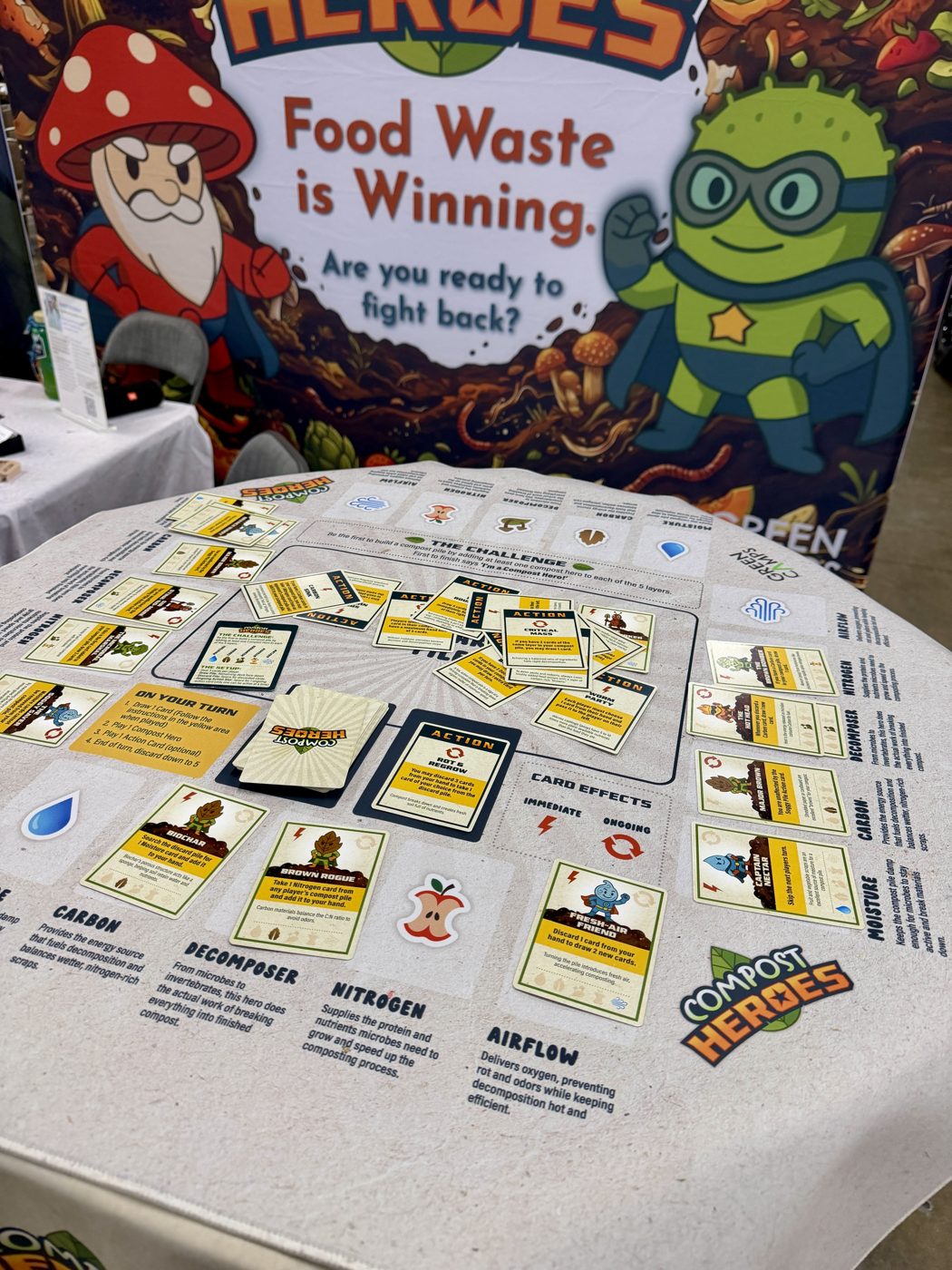
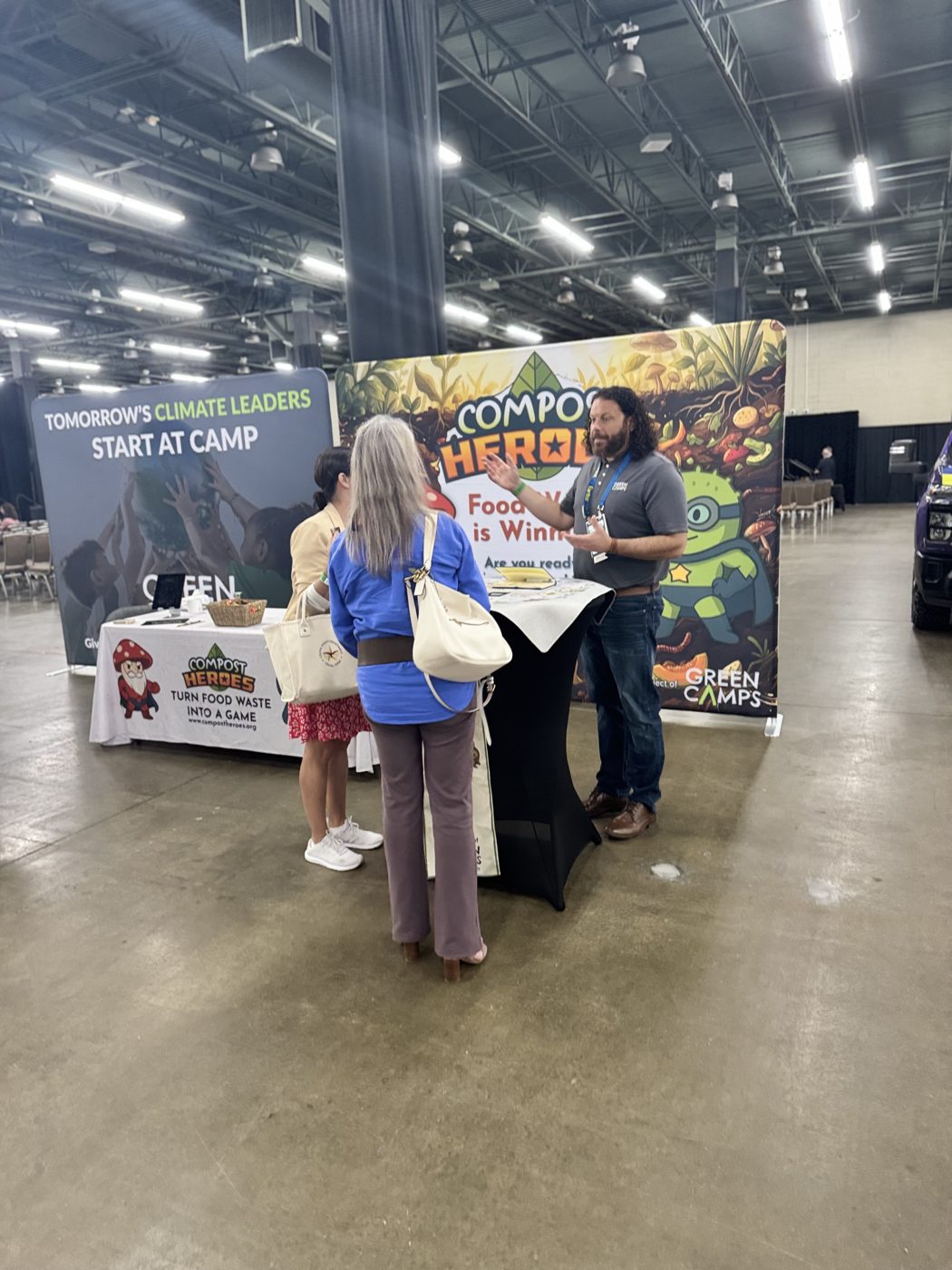
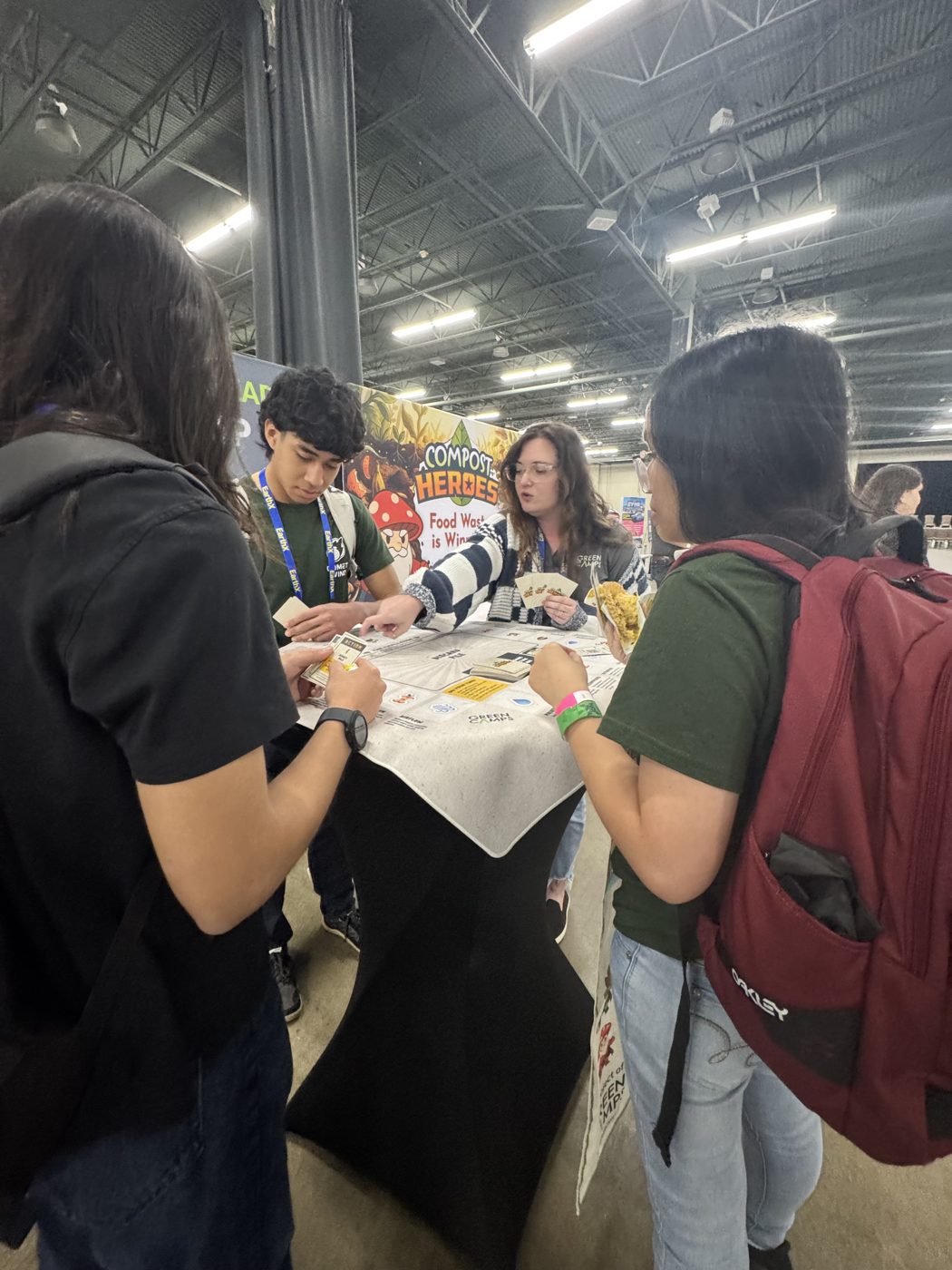
At the Environmental Xperience at EarthX 2026 in Dallas, the same stage where our Growing Green Leaders students interviewed Past RI President Barry Rassin, Green Camps drew crowds to the Compost Heroes table, and Danny spoke on the EarthX podcast stage.
Ways to bring it to students:
Danny Sudman, Founder and Executive Director, Green Camps · danny@greencamps.org · greencamps.org
For student teams
A simple plan any Growing Green Leaders team can adapt for its school, using the two resources above.
Start with a round of Compost Heroes so every teammate understands what goes in a pile, why balance matters and who does the work underground.
Weigh one week of food scraps from lunch. That number is your baseline and the story you will tell at the end.
Set up a bin, tumbler or bokashi bucket with your school’s facilities staff. Make sorting signs and train classmates to use them.
Use the Regen Roots field kit: a slake test, an earthworm count and the buried cotton test, in the same spot at the start and end of the year.
Use the finished compost in a school garden, then report pounds of waste diverted, soil test results and what you learned. Host a slake test science fair to teach younger students.